5 Hidden IT Problems That Are Slowing Down Your Medical Practice (And How to Fix Them)

Discover the hidden IT problems slowing down your medical practice. Learn how LA Medical IT helps clinics fix EHR issues, network problems, outdated hardware, and improve healthcare efficiency.
5 Hidden IT Problems That Are Slowing Down Your Medical Practice (And How to Fix Them)

Modern healthcare depends heavily on technology. From electronic health records (EHR) and appointment scheduling systems to digital billing platforms and telemedicine tools, medical practices rely on IT every day to deliver efficient patient care.

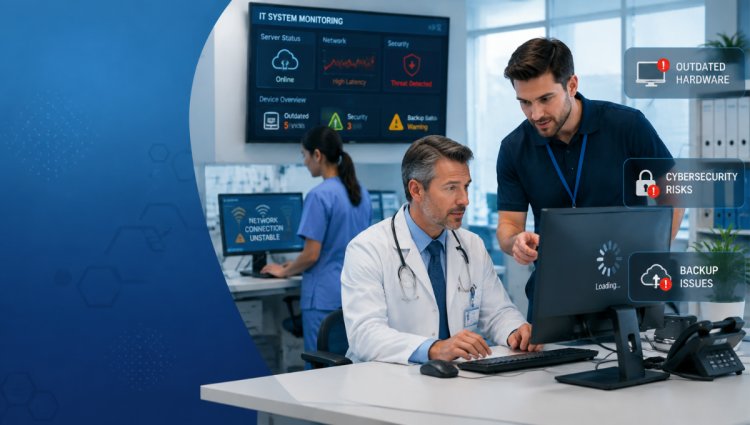
However, many doctors and practice managers face technology problems that are difficult to identify. A slow computer, delayed software response, frequent network interruptions, or system downtime may seem like small inconveniences, but over time, these issues can reduce staff productivity, increase operational costs, and negatively affect patient satisfaction.

The challenge is that many healthcare organizations do not realize these problems are caused by underlying IT issues.

With professional Medical IT support, healthcare providers can identify hidden technology challenges, prevent disruptions, and create a more reliable digital environment.

LA Medical IT helps medical practices, clinics, and healthcare organizations manage their technology infrastructure with customized IT solutions designed around healthcare requirements, security standards, and operational needs.

Let’s explore five hidden IT problems that may be slowing down your medical practice and how you can solve them.


1. Slow EHR and EMR System Performance

Electronic Health Records (EHR) and Electronic Medical Records (EMR) systems are essential for modern medical practices. Physicians use them to access patient histories, update medical information, manage prescriptions, and coordinate care.

However, slow EHR performance is one of the most common healthcare IT problems faced by medical offices.

Common signs of EHR performance issues include:

  • Pages taking too long to load
  • Delayed patient record access
  • Slow login processes
  • Software freezing during appointments
  • Frequent system errors

These issues can frustrate healthcare providers and reduce the amount of time they can spend focusing on patients.

Why does this happen?

EHR problems may be caused by:

  • Poor server performance
  • Outdated hardware
  • Network congestion
  • Incorrect software configuration
  • Lack of regular system maintenance

How to fix it:

A professional IT assessment can identify performance bottlenecks and recommend improvements. LA Medical IT provides healthcare-focused IT support that helps medical practices optimize their systems, maintain reliable performance, and reduce unnecessary downtime.


2. Poor Network Configuration Affecting Daily Operations

Your medical practice depends on a stable network connection. Every device, application, and digital healthcare system requires a properly configured network to function efficiently.

A poorly designed network can create serious problems, including:

  • Slow internet speeds
  • Connection drops
  • Poor communication between devices
  • Difficulty accessing cloud applications
  • Delays in accessing patient information

Many clinics continue using network setups that were installed years ago and no longer support their growing technology needs.

How to fix network problems:

A healthcare IT specialist can review:

  • Network architecture
  • Wi-Fi performance
  • Firewall settings
  • Device connectivity
  • Security configurations

Implementing proper network management helps improve reliability and supports better workflow.

With the right IT solutions for clinics, healthcare providers can create a faster and more secure technology environment that allows staff to work efficiently.


3. Outdated Hardware Reducing Productivity

Many medical practices continue using computers, servers, and devices that are no longer capable of handling modern healthcare applications.

Old hardware can cause:

  • Slow application performance
  • Frequent crashes
  • Increased repair costs
  • Compatibility issues with new software
  • Security vulnerabilities

For example, an outdated computer may take several minutes to open an EHR system, while newer technology can complete the same task much faster.

How outdated hardware impacts patient care:

When staff spend extra time waiting for systems to load, it creates delays in:

  • Patient check-in
  • Documentation
  • Billing processes
  • Communication

How to solve hardware issues:

A complete technology review can determine which equipment needs upgrades or replacement.

LA Medical IT helps healthcare organizations evaluate their technology environment and create strategic upgrade plans that support long-term growth and efficiency.


4. Lack of Proactive IT Monitoring

Many medical practices only contact IT support when something breaks.

This reactive approach can lead to:

  • Unexpected downtime
  • Security risks
  • Data loss
  • Emergency repair costs
  • Reduced employee productivity

Waiting until a problem occurs is often more expensive than preventing the problem.

What is proactive IT monitoring?

Proactive monitoring continuously checks your technology systems for:

  • Network issues
  • Security threats
  • Hardware failures
  • Software problems
  • Performance concerns

By identifying problems early, IT teams can fix issues before they impact daily operations.

How proactive monitoring helps medical practices:

It allows healthcare providers to:

  • Reduce downtime
  • Improve system reliability
  • Protect sensitive patient information
  • Maintain smooth operations

Professional Medical IT support services provide continuous monitoring and maintenance so healthcare teams can focus on patient care instead of technology problems.


5. IT Problems That Affect Patient Experience

Technology problems do not only affect employees. They directly impact patients as well.

Patients expect healthcare providers to offer fast, convenient, and reliable services.

Poor IT performance can result in:

  • Longer waiting times
  • Delayed communication
  • Appointment scheduling problems
  • Issues with online patient portals
  • Poor telehealth experiences

In healthcare, every minute matters. Technology failures can create frustration for both patients and providers.

How better IT solutions improve patient experience:

A reliable IT infrastructure helps medical practices:

  • Provide faster service
  • Improve communication
  • Protect patient information
  • Deliver smoother digital experiences

By investing in healthcare technology solutions, clinics can improve both operational efficiency and patient satisfaction.


How LA Medical IT Helps Solve Healthcare Technology Challenges

Managing healthcare technology requires specialized knowledge. Medical practices must balance efficiency, security, compliance, and patient care.

LA Medical IT provides customized healthcare IT services designed to support clinics, physician offices, and healthcare organizations.

Their solutions include:

By partnering with a healthcare-focused IT provider, medical practices can reduce technology problems, improve productivity, and create a more secure IT environment.


Final Thoughts

Hidden IT problems can quietly slow down your medical practice without you realizing the impact. Slow EHR systems, poor network performance, outdated hardware, and lack of monitoring can reduce productivity and affect patient satisfaction.

The solution is not waiting for technology problems to become emergencies. A proactive approach with professional Medical IT support can help identify risks, improve performance, and keep your practice running smoothly.

If your clinic is experiencing recurring IT issues, investing in reliable IT solutions for clinics can help you improve efficiency, security, and patient care.


Frequently Asked Questions (FAQs)

1. Why is my medical practice technology running slowly?

Slow performance can happen because of outdated hardware, network issues, software configuration problems, or insufficient IT maintenance. A professional IT assessment can identify the exact cause.


2. How can IT support improve medical practice efficiency?

Professional Medical IT support helps reduce downtime, maintain systems, improve security, and ensure healthcare applications work properly, allowing staff to focus more on patient care.


3. Why do healthcare practices need specialized IT solutions?

Healthcare organizations handle sensitive patient information and require secure, reliable, and compliant technology systems. Healthcare-focused IT providers understand these unique requirements.


4. How does proactive IT monitoring help clinics?

Proactive monitoring detects technology problems before they become major issues. It helps prevent downtime, improves system performance, and reduces unexpected IT costs.


5. Can LA Medical IT help small medical practices?

Yes. LA Medical IT provides customized IT solutions for healthcare organizations of different sizes, including medical offices, clinics, and outpatient practices.

https://lamedicalit.com/
(888) 6359595

What's Your Reaction?

like
0
dislike
0
love
0
funny
0
angry
0
sad
0
wow
0