What Happens When Your Medical Practice Loses Its Data? A Complete Guide to Healthcare Backup & Disaster Recovery
Learn how healthcare data backup and disaster recovery solutions help medical practices protect patient records, maintain HIPAA compliance, prevent downtime, and recover quickly after data loss.
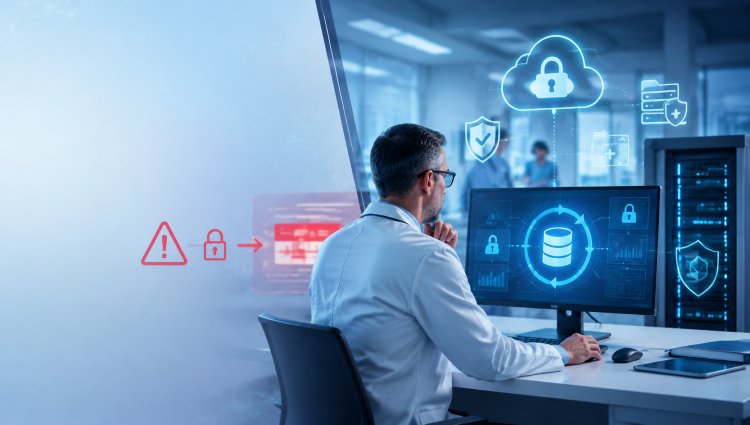
Modern healthcare depends heavily on digital systems. From electronic health records (EHR) and patient information to billing systems and medical imaging, almost every part of a medical practice relies on secure and accessible data. But what happens when that data suddenly becomes unavailable?
A server failure, ransomware attack, accidental deletion, or natural disaster can bring a medical practice to a complete stop within minutes. Without a reliable healthcare data backup and recovery strategy, providers may face operational downtime, compliance issues, financial losses, and risks to patient care.
For healthcare organizations, protecting sensitive information is not just an IT responsibility—it is a critical part of maintaining trust and delivering uninterrupted care. LA Medical IT helps healthcare providers strengthen their IT infrastructure with secure backup solutions, HIPAA-focused security practices, and reliable disaster recovery planning.
In this guide, we will explain why healthcare data protection matters, the risks of losing medical data, the difference between backup and disaster recovery, and how practices can create a stronger recovery plan.
Why Is Data Protection Important for Medical Practices?
Healthcare organizations manage some of the most sensitive information available, including:
- Patient medical records
- Insurance details
- Prescription information
- Lab reports
- Billing information
- Employee and administrative data
Unlike many other businesses, medical practices cannot simply stop operations when their systems fail. Doctors need access to accurate patient information to make informed decisions, schedule appointments, process claims, and provide quality care.
A successful data loss incident can result in:
- Interrupted patient services
- Delayed treatments
- Lost revenue
- Compliance violations
- Damage to patient trust
A strong HIPAA compliant backup strategy ensures that important healthcare information remains protected and recoverable even during unexpected situations.
Common Reasons Medical Practices Lose Data
Understanding the causes of data loss is the first step toward prevention.
1. Ransomware Attacks
Healthcare organizations are frequent targets for cybercriminals because patient data has high value. Ransomware attacks can encrypt medical files and prevent staff from accessing critical systems.
Attackers may demand payment in exchange for restoring access, but paying does not guarantee complete recovery.
A secure backup system allows medical practices to restore their information without depending on attackers.
2. Hardware Failures
Servers, computers, and storage devices can fail unexpectedly. Even a single damaged hard drive can result in the loss of important files if proper backups are not available.
Regular automated backups reduce the impact of hardware failures and help restore systems quickly.
3. Human Errors
Accidental deletion, incorrect system changes, or employee mistakes can expose medical practices to unnecessary data loss.
Even well-trained teams can make mistakes, which is why automated backup solutions are essential.
4. Natural Disasters and Unexpected Events
Floods, fires, power failures, and other disasters can damage physical IT equipment.
A medical practice needs more than local storage. Off-site and cloud-based backup options provide additional protection when physical systems are unavailable.
How Does Healthcare Data Backup Protect Patient Information?
A healthcare data backup solution creates secure copies of important information so it can be restored when needed.
Effective backup systems should include:
Automated Backup Scheduling
Manual backups are often forgotten or performed inconsistently. Automated solutions ensure critical healthcare data is backed up regularly.
Data Encryption
Healthcare information must be protected during storage and transfer. Encryption helps prevent unauthorized access.
Multiple Backup Locations
Keeping backups in different locations reduces the risk of losing everything during a disaster.
Regular Backup Testing
A backup is only useful if it can actually restore data. Testing ensures that recovery works when a real emergency occurs.
What Is a HIPAA Compliant Backup?
A HIPAA compliant backup is designed to protect electronic protected health information (ePHI) while meeting healthcare security requirements.
HIPAA requires healthcare organizations to have safeguards that address data availability, security, and recovery planning. Backup and disaster recovery planning are important parts of healthcare compliance strategies.
A HIPAA-focused backup solution should include:
- Data encryption
- Access controls
- Secure storage
- Activity monitoring
- Backup retention policies
- Disaster recovery procedures
Working with an experienced healthcare IT provider like LA Medical IT helps practices build secure systems designed around healthcare compliance needs.
Backup vs Disaster Recovery: What Is the Difference?
Many medical practices assume that having backups means they are fully protected. However, backup and disaster recovery are two different things.
Healthcare Data Backup
Backup focuses on creating copies of important data.
Example:
A clinic saves daily copies of patient records so they can restore deleted files.
Medical Disaster Recovery Solutions
Disaster recovery focuses on restoring complete operations after a major incident.
A disaster recovery plan includes:
- Restoring servers
- Recovering applications
- Bringing systems back online
- Reducing downtime
- Creating emergency procedures
Simply having backups is not enough. Medical practices need a complete recovery strategy that explains how quickly systems can be restored after a disruption.
How Can Medical Practices Create an Effective Disaster Recovery Plan?
A strong disaster recovery plan should include the following steps:
1. Identify Critical Systems
Determine which systems are essential for daily operations.
Examples:
- EHR platforms
- Patient scheduling systems
- Billing software
- Communication tools
2. Evaluate Current Risks
A healthcare IT assessment can identify weaknesses such as:
- Outdated hardware
- Security gaps
- Poor backup processes
- Network vulnerabilities
3. Create a Reliable Backup Strategy
Many organizations follow the 3-2-1 backup approach:
- 3 copies of important data
- 2 different storage methods
- 1 backup stored off-site
This provides additional protection against unexpected failures.
4. Test Recovery Procedures
A recovery plan should be tested regularly.
Testing helps answer important questions:
- Can data actually be restored?
- How long will recovery take?
- Does staff know what steps to follow?
5. Partner With Healthcare IT Experts
Managing healthcare data security requires specialized knowledge.
A trusted IT partner can help with:
- HIPAA compliance
- Cybersecurity monitoring
- Backup management
- Disaster recovery planning
- System maintenance
LA Medical IT provides healthcare-focused IT solutions designed to help medical practices protect patient information and maintain reliable operations.
Protect Your Medical Practice Before Data Loss Happens
Data loss is not just a technology problem—it can directly affect patient care, business continuity, and regulatory compliance.
Medical practices need proactive protection through reliable healthcare data backup, secure recovery strategies, and professional IT support.
By investing in medical disaster recovery solutions, healthcare providers can minimize downtime, protect sensitive records, and continue serving patients even during unexpected events.
With the right technology partner, your practice can build a stronger, safer, and more resilient healthcare environment.
LA Medical IT helps healthcare organizations improve security, strengthen compliance, and protect critical patient information through reliable healthcare IT solutions.
Frequently Asked Questions (FAQs)
1. Why does my medical practice need healthcare data backup?
Healthcare data backup protects patient records, billing information, and important systems from data loss caused by ransomware, hardware failure, human errors, or disasters.
2. Is a regular backup enough for HIPAA compliance?
No. A backup alone does not guarantee compliance. A proper HIPAA compliant backup strategy should include security controls, encryption, access management, and recovery procedures.
3. What is the difference between backup and disaster recovery?
Backup creates copies of data, while disaster recovery provides a complete plan for restoring systems and continuing operations after a major disruption.
4. How can ransomware affect a medical practice?
Ransomware can lock healthcare systems, prevent access to patient records, disrupt operations, and create serious security risks. Reliable backups help practices recover without relying on attackers.
5. How can LA Medical IT help protect patient data?
LA Medical IT provides healthcare-focused IT services including security solutions, HIPAA support, backup planning, and disaster recovery strategies to help medical practices maintain secure and reliable operations.
https://lamedicalit.com/
(888) 6359595
What's Your Reaction?