7 Healthcare IT Risks Putting Patient Data at Risk
Protect patient data with the right healthcare IT strategy. Learn the 7 major healthcare IT risks, cybersecurity threats, HIPAA compliance challenges, and how LA Medical IT helps healthcare providers secure their systems.
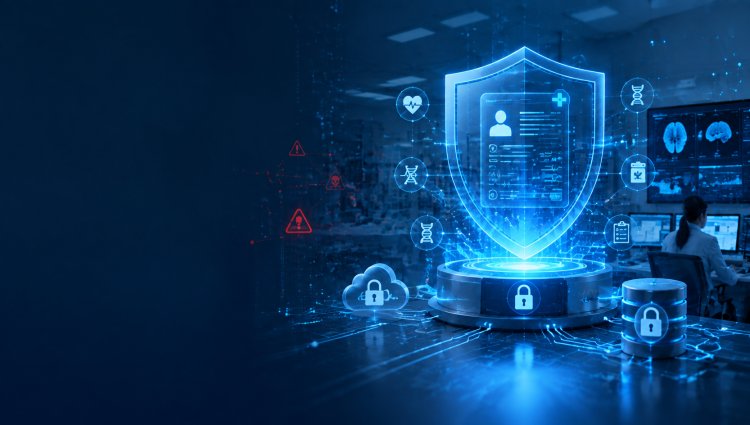
One security mistake can expose sensitive patient information and create serious compliance problems. Learn the key IT risks every healthcare provider should address.
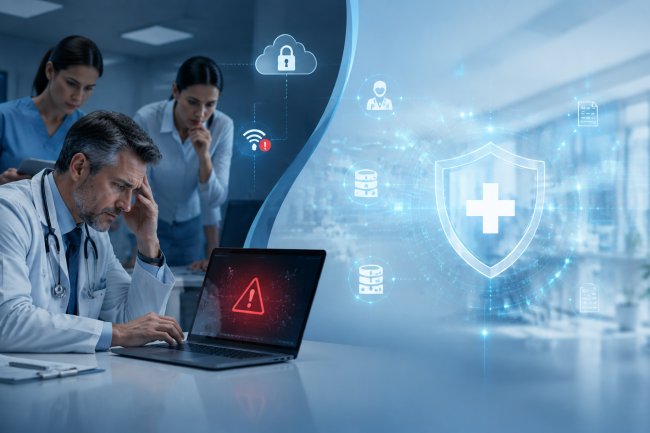
Healthcare providers handle some of the most sensitive information today — from patient medical records and treatment history to insurance details and personal data. While technology has made healthcare faster and more efficient, it has also created new risks that can put patient data, compliance, and reputation at stake.
A single IT vulnerability can lead to data breaches, operational downtime, financial losses, and a loss of patient trust. For medical practices, clinics, and healthcare organizations, having reliable Healthcare IT support is no longer optional — it is essential.
Companies like LA Medical IT help healthcare providers protect their systems, improve security, and maintain reliable technology infrastructure so they can focus on what matters most: delivering quality patient care.
In this blog, we’ll discuss the 7 major healthcare IT risks that can put patient data at risk and how healthcare organizations can reduce these threats.
1. Weak Cybersecurity Protection
Healthcare organizations are a major target for cybercriminals because patient records contain valuable personal and financial information. Many attacks happen because of weak security systems, outdated software, or poor network protection.
Common cybersecurity threats include:
- Malware attacks
- Phishing emails
- Ransomware
- Unauthorized access
- Data theft
A successful cyberattack can expose thousands of patient records and create serious HIPAA compliance concerns.
How to reduce the risk:
Healthcare providers should invest in strong cybersecurity measures, including:
- Advanced threat monitoring
- Firewall protection
- Employee security training
- Regular security assessments
- Multi-factor authentication
With professional Healthcare IT services, organizations can identify vulnerabilities before attackers exploit them.
2. Lack of HIPAA Compliance Management
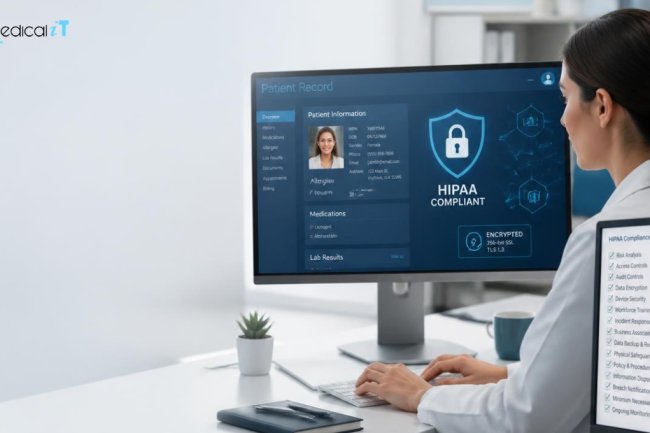
HIPAA compliance is one of the biggest challenges for healthcare providers. Protecting patient information is not only a best practice — it is a legal requirement.
Many healthcare businesses struggle with:
- Understanding compliance requirements
- Managing security policies
- Protecting electronic health records (EHR)
- Maintaining proper documentation
A compliance mistake can result in penalties, legal issues, and damage to your organization’s reputation.
How to reduce the risk:
Healthcare providers should work with an experienced IT partner that understands healthcare regulations and can help maintain secure systems.
LA Medical IT provides technology solutions designed around healthcare security needs, helping practices improve compliance and protect sensitive patient information.
3. Outdated Software and Technology Systems
Using outdated software is one of the easiest ways for cybercriminals to gain access to healthcare networks.
Older systems often have:
- Security weaknesses
- Missing updates
- Limited protection against modern threats
- Compatibility problems
Many healthcare practices delay updates because they worry about disruption. However, ignoring updates can create bigger problems in the future.
How to reduce the risk:
Healthcare organizations should maintain:
- Regular software updates
- System monitoring
- Hardware upgrades when needed
- Technology assessments
A proactive managed IT support approach helps prevent problems before they affect daily operations.
4. Poor Data Backup and Disaster Recovery Planning
Imagine losing access to all patient records because of a ransomware attack, hardware failure, or unexpected disaster.
Without a proper backup strategy, healthcare providers may face:
- Lost patient information
- Extended downtime
- Disrupted appointments
- Financial losses
Data recovery is much more difficult when backups are incomplete or outdated.
How to reduce the risk:
A strong healthcare backup plan should include:
- Automated backups
- Secure cloud storage
- Regular recovery testing
- Disaster recovery procedures
LA Medical IT helps healthcare organizations build reliable backup and recovery solutions to keep their operations running during unexpected events.
5. Employee Security Mistakes
Technology alone cannot protect patient data. Employees also play a major role in healthcare cybersecurity.
Common employee-related risks include:
- Clicking phishing links
- Using weak passwords
- Sharing login credentials
- Accessing information without proper authorization
Even one mistake can create a security vulnerability.
How to reduce the risk:
Healthcare organizations should provide:
- Cybersecurity awareness training
- Clear access policies
- Password management guidelines
- Regular security reminders
Creating a security-focused workplace culture is one of the strongest ways to protect patient information.
6. Insufficient Network Security
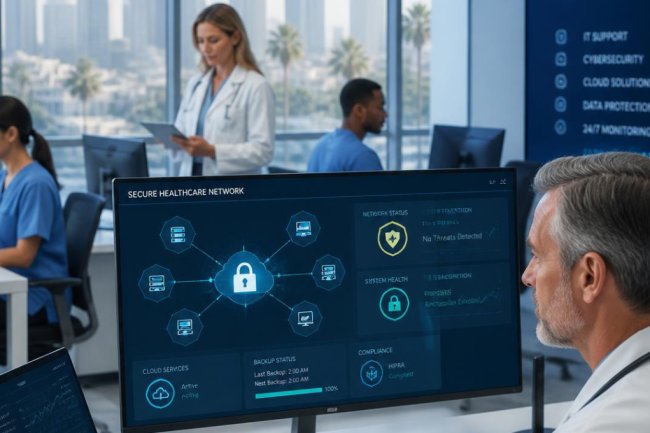
Healthcare facilities rely on networks for everything from electronic health records to communication systems. If the network is not properly secured, attackers can gain access to sensitive information.
Common network issues include:
- Poor Wi-Fi security
- Unprotected devices
- Weak access controls
- Lack of monitoring
A secure network ensures that healthcare teams can access the technology they need safely and efficiently.
How to reduce the risk:
Healthcare providers should consider:
- Network monitoring
- Secure configurations
- Device management
- Regular security reviews
A specialized Healthcare IT company understands the unique technology requirements of medical environments and can provide solutions that support both security and performance.
7. Lack of Specialized Healthcare IT Support
Many healthcare practices depend on general IT providers who may not fully understand healthcare regulations, security requirements, or clinical workflows.
Healthcare technology requires specialized knowledge because IT issues can directly impact:
- Patient care
- Staff productivity
- Compliance
- Business operations
When systems fail, healthcare providers need fast and reliable support.
How to reduce the risk:
Partnering with a healthcare-focused IT provider allows organizations to receive:
- Faster technical support
- Industry-specific solutions
- Better security management
- Proactive problem prevention
LA Medical IT specializes in helping healthcare organizations manage their technology challenges with reliable, secure, and customized IT solutions.
Why Healthcare Providers Need Proactive IT Security
Many healthcare organizations only address IT problems after something goes wrong. However, waiting for a security incident can be costly.
A proactive Healthcare IT strategy helps providers:
- Protect patient information
- Reduce downtime
- Improve compliance
- Increase staff efficiency
- Create a safer digital environment
Technology should support healthcare — not become another challenge for providers to manage.
Frequently Asked Questions (FAQs)
1. Why is healthcare IT security important?
Healthcare IT security protects sensitive patient information from cyber threats, unauthorized access, and data breaches. It also helps healthcare organizations maintain compliance with regulations like HIPAA.
2. What are the biggest cybersecurity risks for healthcare providers?
The biggest risks include ransomware attacks, phishing scams, weak passwords, outdated software, unsecured networks, and improper data management.
3. How can healthcare providers protect patient data?
Healthcare providers can protect patient data by using strong cybersecurity solutions, employee training, secure backups, regular updates, and professional healthcare IT support.
4. What does a healthcare IT company do?
A healthcare IT company provides technology support specifically designed for medical organizations. Services may include cybersecurity, compliance support, network management, cloud solutions, backups, and technical assistance.
5. Why choose LA Medical IT for healthcare technology support?
LA Medical IT understands the unique technology challenges faced by healthcare providers. The company helps organizations improve security, maintain reliable systems, and reduce IT-related disruptions.
Protect Your Patient Data Before a Security Problem Happens
Healthcare technology risks are increasing every day, and waiting until after a breach happens can put your patients, business, and reputation at risk.
By working with a trusted Healthcare IT support provider like LA Medical IT, healthcare organizations can strengthen security, improve compliance, and create a more reliable technology environment.
Focus on caring for your patients while LA Medical IT helps protect the technology behind your practice.
Contact 888-635-9595 LA Medical IT today to improve your healthcare IT security and protect your patient data.
https://lamedicalit.com/
What's Your Reaction?